
When a rocket launches, it’s not just an impressive display of power – it’s also a unique experiment in atmospheric chemistry.
Every exhaust plume interacts with the surrounding air, triggering phase changes, particle formation, and complex chemical reactions that can influence our climate on both local and global scales.
Within the MSCA Doctoral Network SLICE – 𝗦𝗽𝗮𝗰𝗲 𝗟𝗮𝘂𝗻𝗰𝗵 𝗜𝗺𝗽𝗮𝗰𝘁 𝗼𝗻 𝗖𝗹𝗶𝗺𝗮𝘁𝗲 𝗮𝗻𝗱 𝗘𝗻𝘃𝗶𝗿𝗼𝗻𝗺𝗲𝗻𝘁, 𝗗𝗼𝗰𝘁𝗼𝗿𝗮𝗹 𝗖𝗮𝗻𝗱𝗶𝗱𝗮𝘁𝗲 𝟭 (𝗗𝗖𝟭) will investigate how these phase changes and particles form in rocket exhaust plumes, combining advanced simulations with experimental data to understand how propellants and engine types shape atmospheric response.
Research Objectives:
🔥 𝘋𝘦𝘧𝘪𝘯𝘪𝘵𝘪𝘰𝘯 𝘰𝘧 𝘴𝘱𝘦𝘤𝘪𝘦𝘴 𝘵𝘩𝘢𝘵 𝘮𝘶𝘴𝘵 𝘣𝘦 𝘵𝘳𝘢𝘤𝘬𝘦𝘥 𝘢𝘯𝘥 𝘩𝘰𝘸 𝘵𝘰 𝘤𝘰𝘮𝘱𝘢𝘳𝘦 𝘦𝘹𝘱𝘦𝘳𝘪𝘮𝘦𝘯𝘵𝘢𝘭 𝘢𝘯𝘥 𝘯𝘶𝘮𝘦𝘳𝘪𝘤𝘢𝘭 𝘥𝘢𝘵𝘢.
📡 𝘓𝘌𝘚 𝘴𝘪𝘮𝘶𝘭𝘢𝘵𝘪𝘰𝘯𝘴 𝘰𝘧 German Aerospace Center (DLR) 𝘳𝘦𝘧𝘦𝘳𝘦𝘯𝘤𝘦 𝘦𝘹𝘱𝘦𝘳𝘪𝘮𝘦𝘯𝘵 𝘸𝘪𝘭𝘭 𝘣𝘦 𝘤𝘢𝘳𝘳𝘪𝘦𝘥 𝘰𝘶𝘵 𝘵𝘰 𝘷𝘢𝘭𝘪𝘥𝘢𝘵𝘦 𝘵𝘩𝘦 𝘯𝘶𝘮𝘦𝘳𝘪𝘤𝘢𝘭 𝘧𝘳𝘢𝘮𝘦𝘸𝘰𝘳𝘬.
🌡️ 𝘚𝘱𝘦𝘤𝘪𝘧𝘪𝘤 𝘢𝘵𝘵𝘦𝘯𝘵𝘪𝘰𝘯 𝘸𝘪𝘭𝘭 𝘣𝘦 𝘨𝘪𝘷𝘦𝘯 𝘰𝘯 𝘵𝘩𝘦 𝘤𝘩𝘰𝘪𝘤𝘦 𝘰𝘧 𝘢𝘱𝘱𝘳𝘰𝘱𝘳𝘪𝘢𝘵𝘦 𝘵𝘩𝘦𝘳𝘮𝘢𝘭 𝘸𝘢𝘭𝘭 𝘣𝘰𝘶𝘯𝘥𝘢𝘳𝘺 𝘤𝘰𝘯𝘥𝘪𝘵𝘪𝘰𝘯𝘴, 𝘪𝘯𝘤𝘭𝘶𝘥𝘪𝘯𝘨 𝘱𝘰𝘴𝘴𝘪𝘣𝘭𝘦 𝘤𝘰𝘯𝘫𝘶𝘨𝘢𝘵𝘦 𝘩𝘦𝘢𝘵 𝘵𝘳𝘢𝘯𝘴𝘧𝘦𝘳, 𝘢𝘯𝘥 𝘰𝘯 𝘵𝘩𝘦 𝘴𝘵𝘶𝘥𝘺 𝘰𝘧 𝘵𝘩𝘦 𝘭𝘰𝘤𝘢𝘭 𝘪𝘮𝘱𝘢𝘤𝘵 𝘵𝘩𝘦𝘺 𝘮𝘢𝘺 𝘩𝘢𝘷𝘦 𝘰𝘯 𝘵𝘩𝘦 𝘧𝘭𝘢𝘮𝘦 𝘣𝘦𝘩𝘢𝘷𝘪𝘰𝘶𝘳 𝘢𝘯𝘥 𝘰𝘯 𝘱𝘰𝘭𝘭𝘶𝘵𝘢𝘯𝘵 𝘨𝘦𝘯𝘦𝘳𝘢𝘵𝘪𝘰𝘯.
🛰️ 𝘋𝘢𝘵𝘢 𝘸𝘪𝘭𝘭 𝘣𝘦 𝘱𝘳𝘰𝘷𝘪𝘥𝘦𝘥 𝘢𝘴 𝘪𝘯𝘱𝘶𝘵𝘴 𝘧𝘰𝘳 𝘯𝘰𝘻𝘻𝘭𝘦 𝘱𝘭𝘶𝘮𝘦 𝘴𝘪𝘮𝘶𝘭𝘢𝘵𝘪𝘰𝘯𝘴.
🔧 𝘗𝘢𝘳𝘢𝘮𝘦𝘵𝘳𝘪𝘤 𝘴𝘵𝘶𝘥𝘪𝘦𝘴 𝘸𝘪𝘭𝘭 𝘣𝘦 𝘤𝘢𝘳𝘳𝘪𝘦𝘥 𝘰𝘶𝘵 𝘷𝘢𝘳𝘺𝘪𝘯𝘨 𝘵𝘩𝘦 𝘖/𝘍 𝘢𝘯𝘥 𝘵𝘩𝘦 𝘮𝘢𝘴𝘴 𝘧𝘭𝘰𝘸 𝘳𝘢𝘵𝘦 (𝘧𝘦𝘢𝘵𝘶𝘳𝘪𝘯𝘨 𝘵𝘩𝘳𝘰𝘵𝘵𝘭𝘦𝘢𝘣𝘭𝘦 𝘦𝘯𝘨𝘪𝘯𝘦 𝘤𝘰𝘯𝘥𝘪𝘵𝘪𝘰𝘯𝘴) 𝘪𝘯 𝘢 𝘳𝘦𝘢𝘴𝘰𝘯𝘢𝘣𝘭𝘦 𝘳𝘢𝘯𝘨𝘦 𝘵𝘰 𝘪𝘯𝘷𝘦𝘴𝘵𝘪𝘨𝘢𝘵𝘦 𝘵𝘩𝘦 𝘪𝘮𝘱𝘢𝘤𝘵 𝘰𝘯 𝘵𝘩𝘦 𝘦𝘮𝘪𝘴𝘴𝘪𝘰𝘯𝘴.
📈 𝘙𝘦𝘴𝘶𝘭𝘵𝘴 𝘸𝘪𝘭𝘭 𝘣𝘦 𝘶𝘵𝘪𝘭𝘪𝘻𝘦𝘥 𝘧𝘰𝘳 𝘵𝘶𝘯𝘪𝘯𝘨 𝘰𝘧 𝘨𝘭𝘰𝘣𝘢𝘭 𝘮𝘰𝘥𝘦𝘭𝘴.
This research will help build a clearer picture of how the growing space sector interacts with Earth’s atmosphere and how future launch technologies can become more sustainable. 🌎🌱
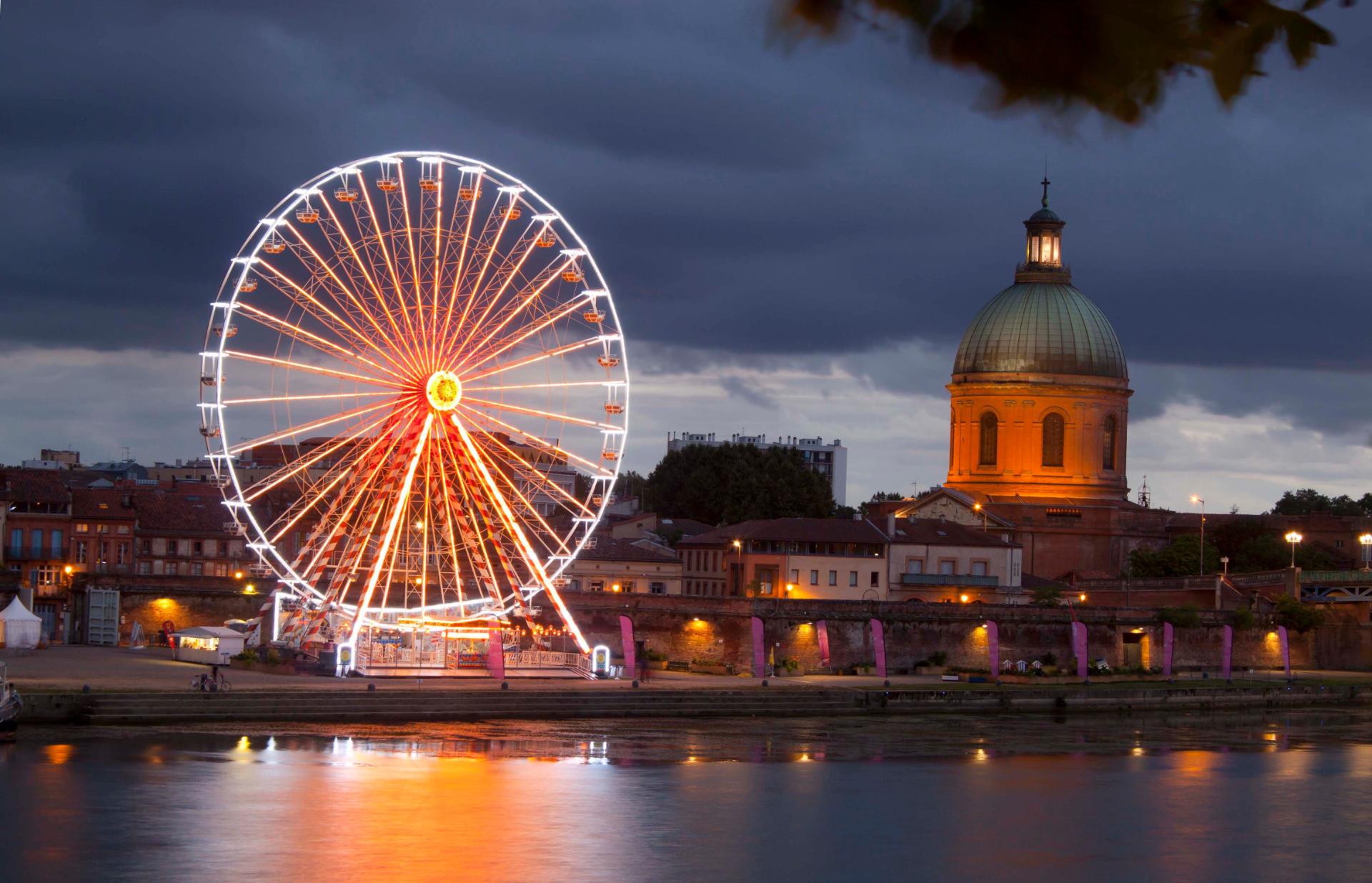
This position is hosted by ISAE-SUPAERO in hashtagToulouse with secondments at German Aerospace Center (DLR), and ArianeGroup.
SLICE is coordinated by Technische Universität Dresden and funded by European Commission.


